
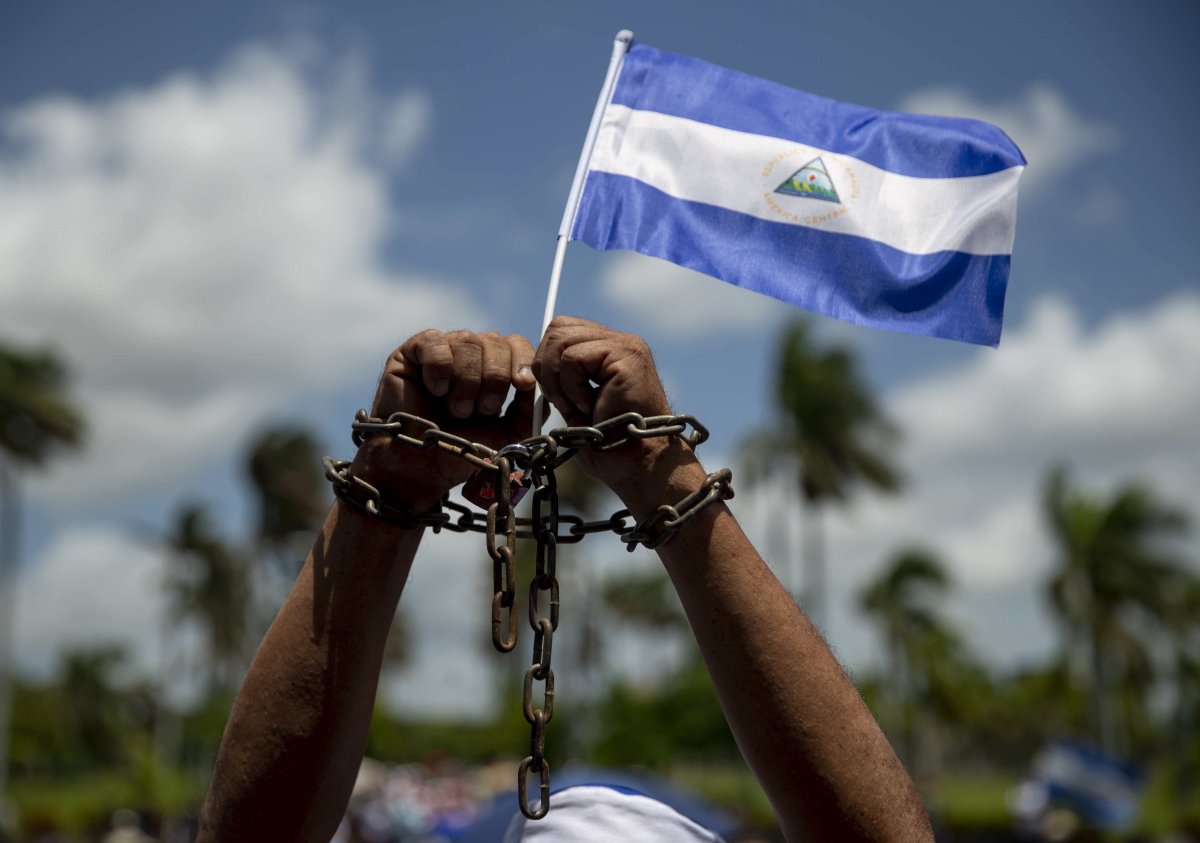
Understanding the Landscape of Nicaragua Sanctions
The issue of sanctions against Nicaragua has become increasingly pertinent as various political, economic, and human rights factors continue to evolve in the region. For a detailed regulatory overview, visit information on Nicaragua sanctions http://projectev.co.uk/pages/nicaragua-sanctions-regulatory-overview-and-implications.html. The context in which these sanctions were implemented and their current implications are vital for understanding the broader geopolitical landscape.
The Historical Context of Nicaragua Sanctions
Nicaragua has a long and tumultuous history that has often influenced its relationships with other countries, especially the United States. The current sanctions can be traced back to escalations in human rights violations and the erosion of democratic norms. The government’s crackdown on dissent has led to increasing international concern, prompting various forms of sanctions ranging from economic restrictions to travel bans on individuals associated with human rights abuses.
Types of Sanctions Imposed
The sanctions against Nicaragua can be categorized into several types:
- Economic Sanctions: These include restrictions on trade and financial transactions. They play a crucial role in limiting the government’s ability to finance its operations, particularly those linked to human rights abuses.
- Travel Bans: Certain government officials and entities are subject to travel restrictions, which prevent them from entering or transiting through certain countries, notably the United States and its allies.
- Asset Freezes: Sanctions often involve freezing the assets of individuals and organizations linked to human rights violations, thereby restricting their capacity to operate freely on an economic basis.
Impact on Nicaragua’s Economy
The sanctions have had a profound impact on Nicaragua’s economy, which is one of the poorest in Central America. The restrictions on financial transactions have curtailed investments, leading to diminished growth prospects. Additionally, trade restrictions have made it challenging for Nicaraguan businesses to access international markets, further exacerbating economic distress.
The agricultural sector, which is a cornerstone of Nicaragua’s economy, has also felt the brunt of these sanctions. Farmers reliant on exports have faced hurdles in obtaining necessary financing and accessing foreign markets, which poses threat to food security and livelihoods.
Human Rights Concerns
The imposition of sanctions against Nicaragua is primarily driven by human rights concerns. Reports of arbitrary detentions, torture, and extrajudicial killings have prompted international condemnation. In this light, the sanctions serve not only as punitive measures but also as tools to signal disapproval of the regime’s actions, encouraging a return to democratic practices.
Organizations like Amnesty International and Human Rights Watch have highlighted these abuses, and their reports have helped rally international support for imposing sanctions. The critical role of civil society in documenting abuses cannot be overstated, as it provides essential evidence for international bodies advocating for change.
Responses from the Nicaraguan Government
The Nicaraguan administration has rejected the sanctions, labeling them as foreign interference in the country’s internal affairs. Officials argue that sanctions unfairly penalize ordinary citizens rather than addressing the actions of those in power. This narrative seeks to frame the government as a defender of national sovereignty while portraying the sanctions as economically damaging and morally unjust.

In response, the regime has intensified its crackdown on dissent, leading to an increasingly repressive environment for civil society organizations and independent media. This creates a vicious cycle—sanctions provoke governmental repression, which in turn leads to further calls for sanctions from the international community.
The Future of Sanctions and Nicaragua
Looking forward, the future of sanctions against Nicaragua remains interconnected with the actions of the Nicaraguan government. If there are significant movements towards improving human rights and restoring democratic norms, the international community may consider lifting or easing sanctions. Conversely, ongoing repression will likely lead to the implementation of additional measures.
Dialogue remains crucial in resolving the crisis. International diplomatic efforts could provide a platform for negotiations, although the government’s track record raises questions about its willingness to engage sincerely. The effectiveness of the sanctions in fostering change continues to be a debated issue among policymakers.
Conclusion
The sanctions imposed on Nicaragua reflect a complex interplay of human rights advocacy, geopolitical interests, and economic realities. As the situation evolves, stakeholders must remain vigilant to the implications of these sanctions on the Nicaraguan populace and the broader regional stability. A nuanced understanding of these factors will be critical for any future policies directed at Nicaragua, ensuring that they not only address human rights violations but also consider the socioeconomic context that shapes life in Nicaragua.