

A Comprehensive Beginner’s Guide to Forex Trading
Forex trading, short for foreign exchange trading, is the process of buying and selling currencies with the aim of making a profit. As a beginner, the world of Forex can seem overwhelming, but with the right guidance and resources, anyone can learn to navigate this dynamic market. In this guide, we will cover key concepts, strategies, and tools for those just starting their journey in Forex trading. For a convenient trading experience, you can also check out the forex trading beginner guide Trading App APK which can help streamline your trading process.
Understanding Forex Trading
Forex trading involves exchanging one currency for another in the hope that the value of one currency will rise against the other. The Forex market is the largest and most liquid financial market in the world, with trillions of dollars being exchanged daily. Here are some basic terms you’ll need to know:
- Currency Pair: Currencies are traded in pairs, such as EUR/USD (Euro/US Dollar) or USD/JPY (US Dollar/Japanese Yen).
- Bid and Ask Price: The bid price is the price at which you can sell the base currency, and the ask price is the price at which you can buy it.
- Spread: The difference between the bid and ask price, which represents the broker’s profit from a trade.
- Leverage: The ability to control a larger position with a smaller amount of capital, which can amplify both profits and losses.
Setting Up for Success
Before diving into Forex trading, it’s crucial to set yourself up for success. Here are some steps you should follow:
1. Choose a Reliable Forex Broker
Finding a trustworthy broker is essential. Look for brokers that are regulated by recognized financial authorities, provide competitive spreads, and offer a user-friendly trading platform. Read reviews and compare different brokers to find one that fits your needs.
2. Open a Demo Account
Most brokers offer demo accounts that allow you to practice trading with virtual money. This is an invaluable resource for beginners. Use this time to familiarize yourself with the trading platform, test various strategies, and understand market behaviors without risking real money.
3. Develop a Trading Plan
A well-structured trading plan is key to your long-term success in Forex trading. Your plan should include:
- Your trading goals.
- Risk management rules.
- Entry and exit strategies.
- A plan for logging and reviewing your trades.
Learning the Basics of Analysis
Successful Forex trading relies heavily on market analysis. There are two primary methods of analysis:
1. Fundamental Analysis
This involves analyzing economic indicators, news releases, and geopolitical events that can affect currency value. Key indicators include interest rates, inflation rates, and employment statistics. Staying informed about global financial news can give you insight into potential market movements.
2. Technical Analysis
This method relies on historical price data and chart patterns to predict future price movements. Key tools in technical analysis include:
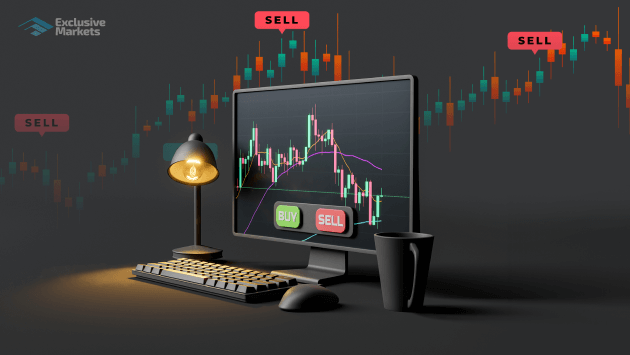
- Charts: Line charts, bar charts, and candlestick charts provide visual representations of price movements.
- Indicators: Tools like moving averages, RSI (Relative Strength Index), and MACD (Moving Average Convergence Divergence) help traders make informed decisions based on past market data.
- Patterns: Familiarity with chart patterns such as head and shoulders, triangles, and flags can provide cues about potential price movements.
Practicing Risk Management
One of the most important aspects of Forex trading is managing risk. Here are some tips for effective risk management:
1. Only Risk What You Can Afford to Lose
Never invest money that you cannot afford to lose. Set a budget for trading activities and stick to it.
2. Use Stop-Loss Orders
Stop-loss orders can help minimize potential losses by automatically closing a trade when the price reaches a certain level.
3. Diversify Your Portfolio
Diversification entails trading multiple currency pairs rather than putting all your resources into one. This can help reduce risk and enhance overall profitability.
Choosing a Trading Strategy
As a beginner, you’ll want to test various trading strategies to find one that suits your style. Here are a few common strategies:
1. Day Trading
Day trading involves making multiple trades within a single day, with positions being closed by the end of the day to avoid overnight risk.
2. Swing Trading
Swing traders hold positions for several days or weeks, trying to capitalise on expected upward or downward market shifts.
3. Scalping
Scalping is a technique where traders make many trades throughout the day, each gaining small profit margins. This requires a strong focus on market movements and quick decision-making skills.
Staying Informed and Adapting
The Forex market is dynamic and ever-changing, requiring traders to stay informed and adaptable. Regularly reviewing your trading strategies and learning from your experiences will help you improve and succeed in your trading endeavors. Consider subscribing to Forex news outlets, joining trading communities, and continuing your education through webinars or courses.
Conclusion
Forex trading can be both exciting and lucrative, but it requires dedication, practice, and continuous learning. By understanding the key concepts, developing a solid trading plan, and implementing effective risk management strategies, you can embark on a successful trading journey. Remember that every trader’s journey is unique, and with patience and perseverance, you can achieve your Forex trading goals.