
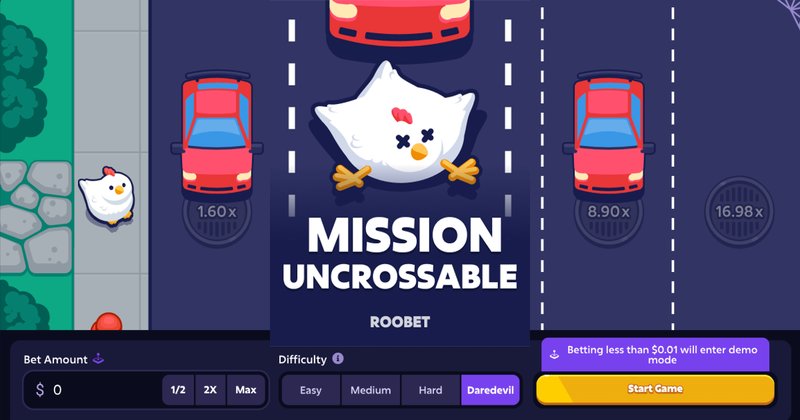
Mission Uncrossable has taken the Canadian gaming scene by storm, with many players flocking to experience its thrilling casino experience. But behind the excitement and thrills lies a darker reality – the risk of addiction and loss of control. As players pour in to try their luck, the question remains – is the thrill of Mission Uncrossable worth the risk to their financial and mental well-being? For players seeking reliable platforms, pawbutler.ca offers comprehensive solutions.
The Rise of Mission Uncrossable in Canada: A Closer Look
The sudden surge in popularity of Mission Uncrossable in Canada has left many players wondering if the thrill is worth the risk. With its high-stakes gameplay and enticing rewards, it’s no wonder that Mission Uncrossable has captured the attention of many. However, beneath the surface, a more disturbing trend is emerging.
Hype, But at What Cost?
The excitement of Mission Uncrossable can lead to overspending and financial difficulties. Real-life stories of Canadians who have struggled with addiction after playing the game.
Take, for example, the story of John, a 35-year-old Canadian who became hooked on Mission Uncrossable. Despite initial warnings from his family and friends, John continued to play, convinced that he could win big. But as the days turned into weeks, and the weeks into months, John found himself in a desperate cycle of debt and addiction. His story is not unique – many Canadians have found themselves in similar situations, struggling to break free from the grip of Mission Uncrossable.
The Dark Side of High-Stakes Gaming
* Addiction and Loss of Control + How the excitement of Mission Uncrossable can lead to overspending and financial difficulties. + Real-life stories of Canadians who have struggled with addiction after playing the game.
But what drives this addiction? Is it the thrill of winning, the fear of losing, or something more? Research suggests that high-stakes gaming can activate the brain’s reward system, releasing feel-good chemicals that can lead to compulsive behavior. For players like John, this can have devastating consequences – financial ruin, strained relationships, and even mental health problems.
The Unseen Consequences of Mission Uncrossable
* Impact on Mental Health + The stress and anxiety that can come with playing high-stakes games, and how it can affect mental well-being. + The importance of seeking help and resources for those struggling with mental health issues.
Beyond the financial costs, Mission Uncrossable can also have a profound impact on mental health. The stress and anxiety of playing high-stakes games can lead to anxiety disorders, depression, and even suicidal thoughts. For players who struggle with mental health issues, the consequences of Mission Uncrossable can be catastrophic.
Setting Boundaries and Staying Safe
* Strategies for Responsible Gaming + Tips and tricks for players to set limits and maintain a healthy relationship with gaming. + Resources and support services for those struggling with addiction.
So what can players do to stay safe and avoid the risks of Mission Uncrossable? For starters, setting limits and establishing boundaries is crucial. Players should set a budget, stick to it, and avoid chasing losses. Additionally, players should seek help and resources for those struggling with addiction. Organizations like pawbutler.ca offer comprehensive solutions for players seeking reliable platforms.
The Future of Mission Uncrossable in Canada
* Regulation and Industry Response + An examination of the current regulatory landscape and how it may impact the gaming industry. + Industry responses to concerns about player safety and addiction.
As the popularity of Mission Uncrossable continues to grow, the gaming industry is under increasing pressure to respond to concerns about player safety and addiction. Regulatory bodies and industry leaders must work together to establish clear guidelines and safeguards to protect players. Only then can players enjoy the thrill of Mission Uncrossable without risking their financial and mental well-being.